Zambia ★ Est. 1970s

RIKKI
ILILONGA

Guitarist, singer & songwriter — founder of Musi-O-Tunya and godfather of Zamrock, the fuzz-drenched sound born where African rhythm met psychedelic rock.

▶ Listen Now The Story
The Story

The Godfather of Zamrock

Rikki Ililonga (born Rikezo Makuyu Ililonga, 9 February 1949) grew up with roots in the Zambezi district of Zambia's North-Western Province before moving to Ndola on the Copperbelt. There he learned to play the banjo in the style popularised in the mining towns — the first step of a journey that would make him a founding father of Zamrock.

As a young man he was sent to Syracuse University in the USA on a political leadership course sponsored by UNIP, Zambia's independence party. He came home with something else entirely: a head full of The Beatles, The Who, Buddy Holly and James Brown. Ililonga walked away from a promising political career and chose the guitar — which he had first picked up at 18 — soaking up Jimi Hendrix, James Brown and Cream, and finding his true north the night he saw Ghana's Osibisa "singing in their own tongue and not trying to sound like anybody else."

He kept a day job just long enough to notice that a weekend of playing paid better — then quit the "mundane things" for good. With his band Musi-O-Tunya — "the smoke that thunders", the local name for Victoria Falls — he played the miners' taverns of the Copperbelt and the hotel circuit until the band's fuzz-heavy Afro-rock made them national stars and put Zambian rock on the world map.

A true polyglot of groove, Ililonga sings in English, Silozi, Chinyanja and Ichibemba, and moves effortlessly between electric and bass guitar, drums, congas, kalimba and harmonica. On his solo debut Zambia he famously played every instrument himself. In April 1976 he won the Makumbi Song Festival award. Today he divides his time between his adopted home in Denmark and Zambia — still in dreads, beret and sunglasses, still rocking.
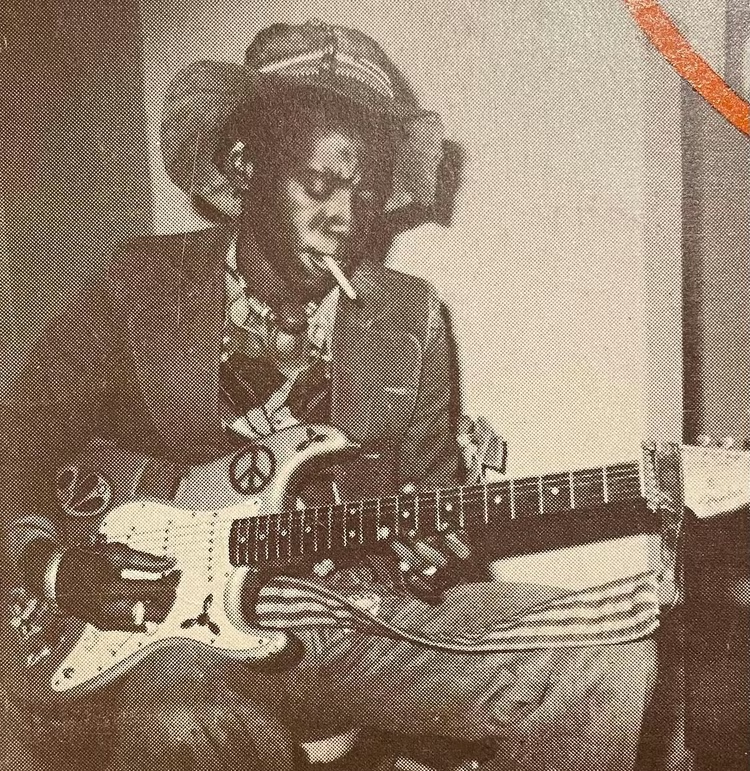
Rikki Ililonga back in the day with his peace-sign guitar
Rikki back in the day — peace-sign guitar and attitude. Photo courtesy of Skinazy David, via Nkwazi Magazine
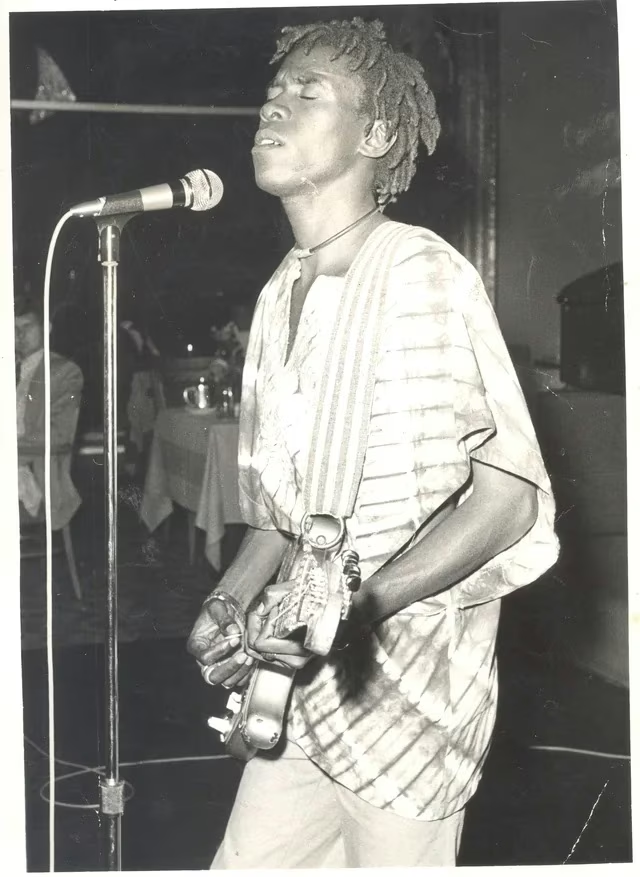
Rikki Ililonga live on stage in the early days
Live on stage in the early days. Photo courtesy of Zone Fam TV, via Nkwazi Magazine
The Movement

What Is Zamrock?

Born of independence

In post-independence Zambia, young bands fused local rhythms and languages with fuzz guitar, funk and psychedelic rock. The result — Zamrock — became the soundtrack of a modernising nation.

The 90% edict

In 1975 President Kenneth Kaunda decreed that 90% of music on national radio must be Zambian. Airwaves flooded with local sounds — and Musi-O-Tunya's music reached every corner of the country.

The pioneers

Rikki Ililonga and Musi-O-Tunya are credited as key creators of the genre, alongside Emanuel "Jagari" Chanda of WITCH. Paul Ngozi, Chrissy Zebby Tembo and many more followed.

Copperbelt roots

The scene grew up in the miners' taverns of the Copperbelt, where bands played for working crowds before hotels and festivals adopted the new sound.

The Wings of Africa line-up

Rikki Ililonga (lead guitar & vocals), Derick Mbao (lead vocals, bass & kalimba), Alex Kunda (drums), Siliya Lungu (African drums), Kenny Chernoff (soprano sax), John Bobby Otieno (rhythm guitar) & Njenga (trumpet).

Songs with an edge

Shebeen Queen scandalised as overtly sexual, Olemekedzeka drew political fire — Rikki's music was never background noise.

Life & Career

The Smoke That Thunders — a Timeline

Discography

The Records

More than 20 releases — nine albums, eleven singles & EPs and archival compilations — from raw 7-inches cut in 1973 to worldwide reissues. Click any record to listen or dig for vinyl.

1974
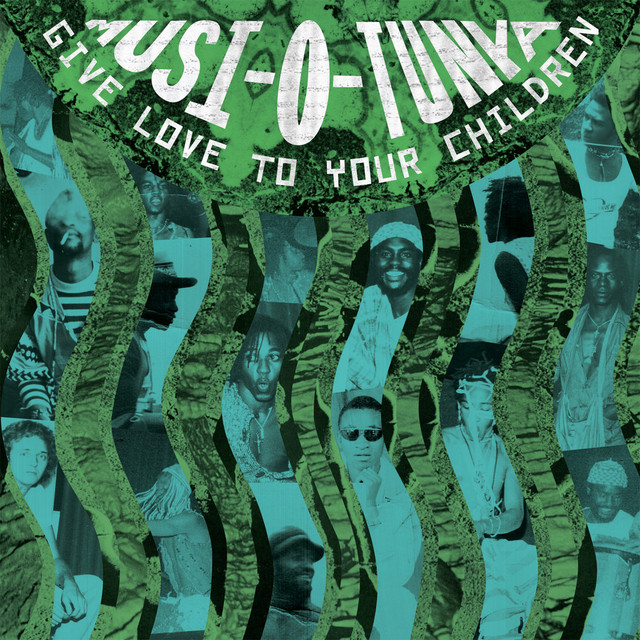
Give Love to Your Children — album cover

Give Love to Your Children

Musi-O-Tunya

Funky, soulful heavy grooves with a huge dollop of psych.

1975
Wings of Africa — Musi-O-Tunya album cover with eagle artwork

Wings of Africa

Musi-O-Tunya

The debut LP from Sapra Studio, Nairobi — recorded in a single day. Afrobeat meets Deep Purple.

1975
Zambia — album cover

Zambia

Rikki Ililonga · solo

Every instrument and voice: Rikki alone. Kalindula folk meets rock — with Shebeen Queen.

1976
Sunshine Love — Rikki Ililonga album cover

Sunshine Love

Rikki Ililonga · solo

Polished, melodic funk, folk & Afro-rock on Sepiso Records — the sunny record that carried Zamrock abroad.

1977
Soweto — album cover

Soweto

Rikki Ililonga · solo

Named after the 1976 Soweto Uprising — politically conscious, rooted in African solidarity.

1978
Dread Eyes — album cover

Dread Eyes

Rikki Ililonga · solo

The Zamrock pioneer turns toward reggae — Give Me Love became a favourite.

1980
Same Name Music — album cover

Same Name Music

Rikki Ililonga · solo

From African Market Place to Making Music — grooves into the new decade.

1981
Shanty Town Boy — album cover

Shanty Town Boy

Rikki Ililonga · solo

Stories from curfew time to Kariba.

1984
Frank Talk — Rikki Ililonga album cover

Frank Talk

Rikki Ililonga · solo

His most mature, storytelling-focused record — cut at Puk Recording Studios in Denmark with Danish musicians. Guitar, kalimba & Syndrum: all Rikki.

2011
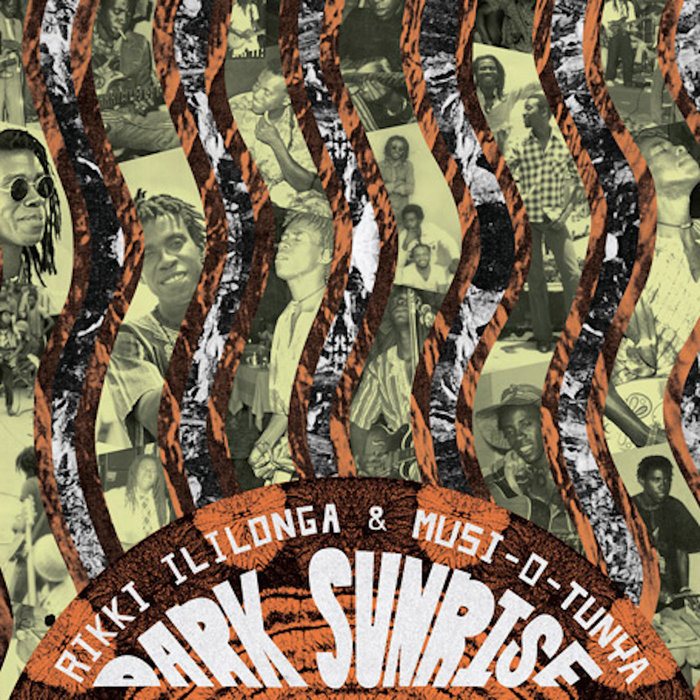
Dark Sunrise — anthology cover

Dark Sunrise

Anthology · Now-Again Records

The birth of Zamrock as told through the music of its pioneer, 1973–1976. Includes Wings of Africa, Zambia & Sunshine Love.

Also on record: We Shall Fight — an anti-HIV/AIDS single recorded with Dr Kenneth Kaunda. Album artwork © Rikki Ililonga / respective labels, shown via Spotify & Bandcamp for identification.

Legacy

The Smoke Still Thunders

Zamrock's first era ended hard. The collapse of copper prices strangled Zambia's economy — records and live shows became luxuries — and the AIDS crisis took the lives of many of the scene's musicians. Ililonga, living in London and later Denmark, is one of the movement's great survivors.

He never stopped using music as a tool: alongside his close friend Dr Kenneth Kaunda — Zambia's first president — he recorded the anti-HIV/AIDS record We Shall Fight. His songs had always carried an edge: Shebeen Queen scandalised, and Olemekedzeka drew political criticism.

Then the world caught up. Reissues like Dark Sunrise introduced Zamrock to crate-diggers and streaming playlists everywhere, and today Rikki Ililonga stands as a living link to one of Africa's great rock stories.

  • On screen: Zamrock features in the soundtracks of Ted Lasso and Fargo, and in the documentaries The Survivors of Zamrock (CCTV, 2013) and This Is Zamrock (2020).
  • Sampled by: Grammy-winning and nominated artists including Tyler, The Creator and Travis Scott.
  • Next generation: Zambian star Sampa the Great champions Zamrock as the sound of her music.
  • Reissued worldwide: Now-Again Records' Dark Sunrise anthology (2011) and vinyl reissues keep the original records alive.
Listen

Drop the Needle

Press play — preview the top tracks right here, or dive into the full records below.

Contact

Get in Touch

Questions about the music, bookings or this site? Drop a line — the smoke answers.

✉ jakobjohansen@musikjurist.dk